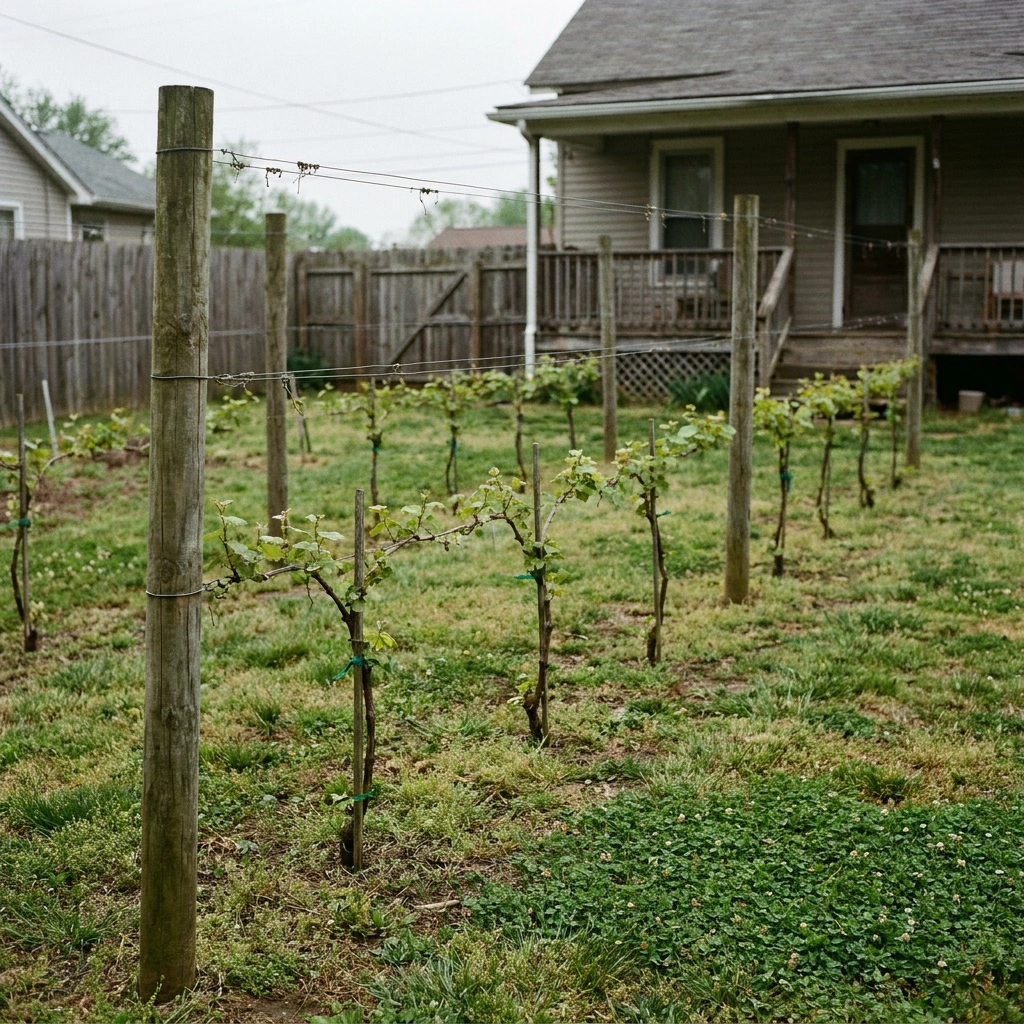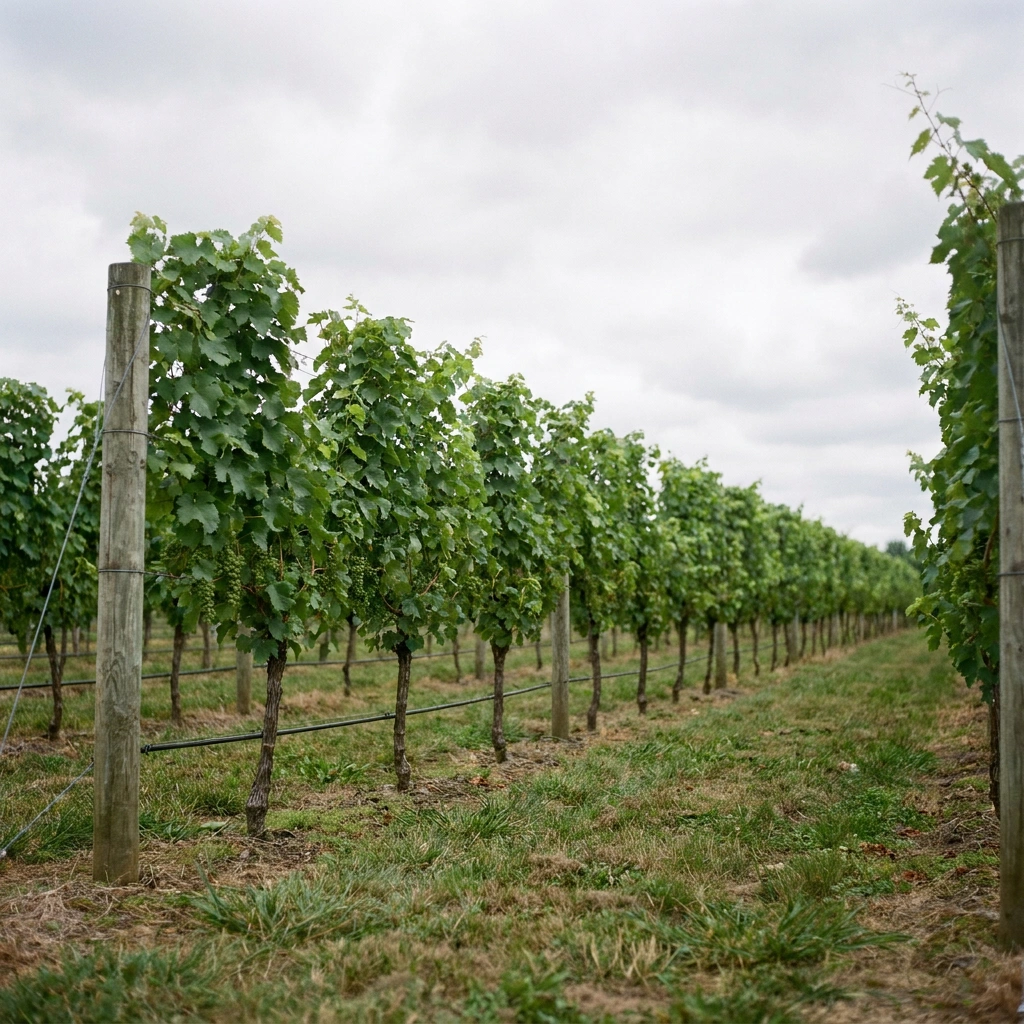
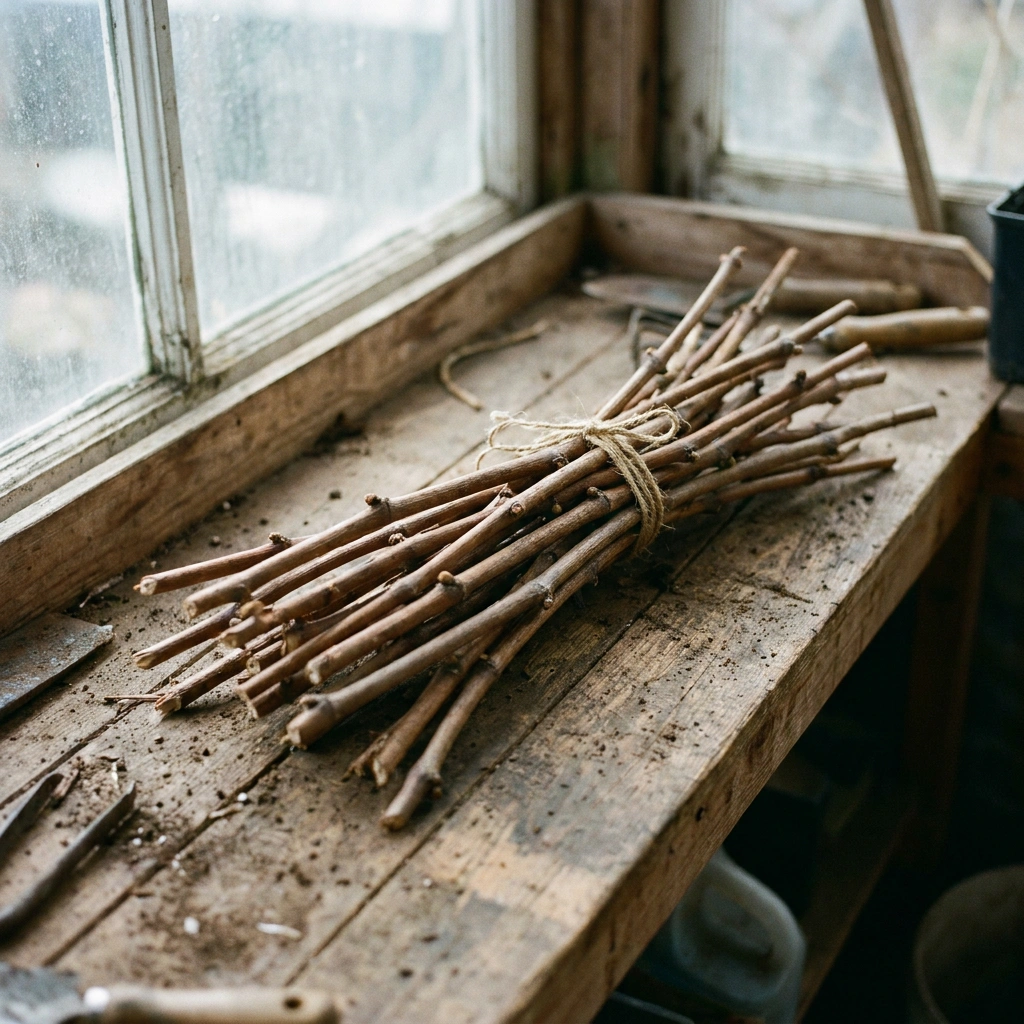
Yes, you can propagate grape vines from cuttings — and it’s one of the most reliable ways to multiply cold-hardy varieties like Marquette, Frontenac, or La Crescent. Take hardwood cuttings during late-winter dormancy (while you’re pruning), cut each piece 12–16 in (30–40 cm) long with 6–8 buds, keep them cold and moist until roots form, then pot them up in spring. Most cuttings root within 4–6 weeks once temperatures warm. Here’s exactly how to do it.
Why Hardwood Cuttings Work So Well for Cold-Climate Grapes
Hardwood propagation takes advantage of the vine’s dormant state. The wood is fully mature, holds plenty of carbohydrate reserves, and is far more forgiving than softwood cuttings. For cold-climate hybrid varieties — Marquette, Frontenac, Frontenac Gris, La Crescent, Petite Pearl, Itasca — hardwood cuttings produce own-root plants that are every bit as vigorous as nursery stock, and you get them at essentially zero cost from your own pruning pile.
A quick caveat worth understanding: own-root vines propagated from cuttings are not grafted onto phylloxera-resistant rootstock. For most cold-climate hybrid growers in Zones 3–6, this is a non-issue — hybrids like Frontenac carry partial phylloxera tolerance in their genetics, and phylloxera pressure in northern soils tends to be low. If you’re growing Vitis vinifera varieties in a region with known phylloxera history, you’ll want grafted stock instead. Learn more in our guide to grape clones and variety selection.
When to Take Cuttings
The sweet spot is late winter dormancy — typically February through early March in USDA Zones 4–6 (Zone 5b in Baltic/northern European climates). The vine should still be fully dormant: no swelling buds, temperatures still regularly dipping below freezing. In practice, I collect cuttings during my annual pruning session. The wood comes off anyway, so you’re just saving the best pieces instead of composting them.
Taking cuttings too early (December) risks having them dry out in storage. Too late (when buds are swelling) and the plant’s energy is already flowing upward — rooting success drops noticeably. Aim for that February window in most northern climates.
Selecting the Right Canes
Not all canes are equal. Here’s what to look for:
- Pencil-thick diameter: roughly ¼–⅜ in (6–10 mm). Thinner shoots lack the carbohydrate reserves to sustain a cutting through rooting; canes thicker than a finger tend to root more slowly.
- Healthy brown bark: firm, smooth, dark-brown. Avoid any cane with black discoloration (possible fungal damage), shriveled sections, or visible lesions.
- From last season’s growth: one-year-old wood, not older. It’s lighter in color and more flexible than two-year-old wood.
- From a productive, healthy vine: if the mother vine struggles with disease, don’t propagate from it — you’ll carry problems forward.
How to Cut: Length, Buds, and Orientation
Each cutting should be 12–16 in (30–40 cm) long and carry 6–8 buds. The node spacing on cold-climate hybrids varies, but 12–16 in is a reliable target that gives you enough cane to bury 2–3 nodes while leaving plenty above ground.
Cut technique matters for polarity:
- Top cut: make a straight horizontal cut about ½ in (1–2 cm) above a bud node. This protects the top bud and helps you identify which end is up.
- Bottom cut: make an angled cut just below a bud node (about ½ in/1 cm). The angled cut helps water shed away and also visually marks the base. Some growers make a shallow wound (scrape the bark on one side) just above the bottom cut to stimulate callus formation.
Keep cuttings oriented correctly — upside-down cuttings will not root. I tie mine in bundles of 10–15 with the top ends aligned, then wrap the bundle in a damp cloth so it’s easy to grab and plant without confusion.
Rooting Hormone: Worth It?
Grape cuttings root readily without any hormone. That said, a rooting powder or gel (IBA — indole-3-butyric acid) does speed up callus formation and improve rooting rates, especially in cool spring soils. University of Minnesota Extension recommends IBA treatment for challenging varieties or when rooting in cooler-than-ideal conditions — and in Zone 4, spring soils take a while to warm up.
Dip or dust the bottom inch of the cutting just before inserting into the rooting medium. You only need a small amount — more is not better with IBA. Store rooting hormone sealed and away from light; it degrades quickly once opened.
Cold Storage and Stratification
If you’re taking cuttings in late February and want to start rooting in late April, you need to store them for 6–8 weeks. Done right, cold storage actually helps by allowing the cut ends to begin callusing slowly.
Here’s the method I’ve used reliably in Wisconsin winters:
- Wrap bundles in barely damp (not soaking wet) sphagnum moss or a damp paper towel.
- Slip the wrapped bundle into a plastic zip bag, squeeze out most of the air, and seal it.
- Label the bag with variety and date — critical if you’re storing multiple varieties.
- Store in a refrigerator or unheated root cellar at 33–40°F (1–4°C). A standard fridge crisper drawer works perfectly.
- Check every 2–3 weeks. The moss should stay damp but never dripping. If you see mold, unwrap, rinse the cuttings in dilute hydrogen peroxide, re-wrap in fresh damp moss.
Do not store at temperatures above 50°F (10°C) for extended periods — buds will start to push and the cutting loses its rooting potential.
Rooting: Pots or a Propagation Bed
When nighttime temperatures are reliably above 40°F (4°C) — typically late April or early May in Zone 5 — it’s time to start rooting your cuttings.
In Pots (Best for Small Numbers)
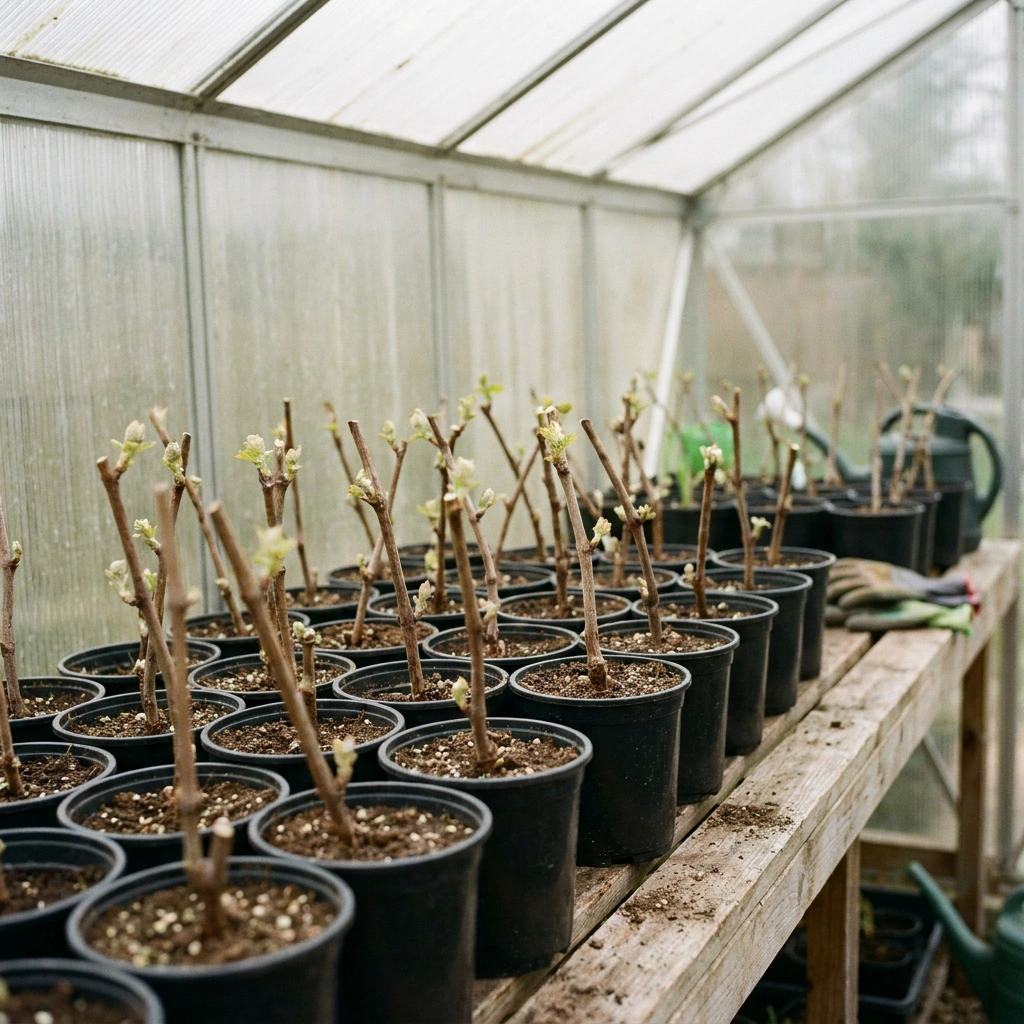
Use a free-draining mix: half perlite, half peat (or coco coir). Straight potting mix holds too much moisture and invites rot. Insert the cutting so that 2–3 buds are buried and 3–4 buds remain above soil. Press the medium firmly around the cutting — air pockets dry out the developing callus.
Keep pots in a bright, sheltered location out of direct midday sun. Consistent moisture is important but not soggy. Roots typically form in 4–6 weeks once soil temps reach 60–65°F (15–18°C). You can confirm rooting by gently tugging — resistance means roots have formed.
In a Propagation Bed (Best for Larger Quantities)
If you’re rooting 30+ cuttings, a dedicated outdoor propagation bed is more practical. Prepare a raised bed or a section of open ground with well-draining sandy-loam amended with perlite. Insert cuttings 6 in (15 cm) apart in rows. Mulch lightly between rows to retain moisture and suppress weeds. Water weekly unless rain is sufficient. Cornell University’s viticulture program notes that outdoor propagation beds work reliably for cold-hardy varieties once soil temperatures are consistently above 60°F (15°C).
Hardening Off and Transplanting
Pot-rooted cuttings that spent spring indoors need a gradual transition to outdoor conditions. Over 7–10 days, move them outside for progressively longer periods, starting in shade and working toward full sun. After hardening, plant them in their final location or a nursery row for another season’s growth.
Plant out in late spring after last frost — mid-May in Zone 5. Prepare your planting area well: good drainage is non-negotiable for grapes, and the right soil pH (6.0–6.5) makes a significant difference. Our guide to preparing soil and planting a grape vine covers the full site-prep process.
New vines from cuttings need careful training in their first two seasons. Most won’t produce a full harvest until year three or four, but the patience pays off. Our grape pruning guide explains the cane-and-spur pruning system you’ll use once the vine matures.
Frequently Asked Questions
How long do grape cuttings take to root?
In a free-draining potting mix at soil temperatures of 60–65°F (15–18°C), most cold-hardy grape cuttings develop visible roots within 4–6 weeks. Cuttings in a cool outdoor propagation bed may take 6–8 weeks. You can check by gently tugging — resistance means rooting has started.
Can I take grape cuttings in summer?
Yes — green (softwood) cuttings taken in early summer can be rooted under mist or high humidity. The success rate is lower and the technique is more demanding than hardwood cuttings. For backyard growers without a mist system, hardwood cuttings during dormancy are far more forgiving.
Do grape cuttings need to callus before rooting?
Callusing — the formation of a white corky tissue at the base cut — typically precedes root emergence. Some growers do a deliberate “callusing step”: keep cuttings warm (65–70°F / 18–21°C) for 2–3 weeks before moving to cooler outdoor temps. Cold storage in a fridge over winter naturally produces some callus at the cut ends, which is part of why that method works well.
How many buds should a grape cutting have?
Aim for 6–8 buds per cutting, with the cutting length at 12–16 in (30–40 cm). Bury 2–3 nodes in the rooting medium so the buried buds can contribute to root development; the remaining 3–5 buds above the surface provide foliage energy once they push.
Should I use grafted vines or own-root cuttings for cold-climate grapes?
For cold-climate hybrid varieties (Marquette, Frontenac, La Crescent, Petite Pearl, Itasca, Brianna), own-root cuttings are generally fine. These hybrids carry partial phylloxera resistance in their genetics, and phylloxera is rarely severe in northern sandy soils. Grafted vines on phylloxera-resistant rootstock are most important for Vitis vinifera varieties and in regions with a documented phylloxera history. If you’re unsure, check with your local cooperative extension office.
🍇 Don’t plant the wrong grape
Vines take years to fruit. Get the free cheat-sheet of varieties that actually survive and ripen in your zone.
By subscribing you agree to our Privacy Policy.